Silver Squeeze, Supply Chain Chaos, or Both?


On an episode of Soar Financially hosted by Kai Hoffmann, Stefan Gleason joined the show to explain what is driving the near-daily precious metals headlines. With gold and silver setting frequent new highs, Hoffmann pressed on the question that many investors keep asking.
Is this a real silver squeeze, a supply chain and logistics story... or BOTH?
Why Stefan Gleason’s Perspective Matters
Stefan Gleason is the Chief Executive Officer of Money Metals, the top U.S.-focused bullion dealer and depository operator. That role puts him inside the retail bullion supply chain rather than watching it from the outside. From that vantage point, he sees real-time order flow, buyback activity from customers, wholesale sourcing conditions, and the operational constraints that determine whether investors can actually get specific products at any given moment.
His commentary is grounded in day-to-day exposure to inventory management, delivery lead times, mint capacity, and refining backlogs. Those realities often explain why premiums spike, why certain items go out of stock, and why regional pricing dislocations can appear even when raw metal is still available. In this interview, the on-the-ground view helps distinguish between true scarcity and bottlenecks in processing and fabrication.
Retail Demand Runs Hot as Silver Triples in 12 Months
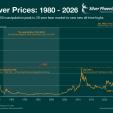
Retail conditions were described as total pandemonium, with heavy activity on both sides as people sell and buy. Demand over the last three to four weeks was characterized as exceeding COVID-era levels, even as long-time holders take profits after silver tripled over the last 12 months.
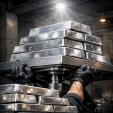
The U.S. is not yet facing a true raw-metal shortage in silver. The better way to understand the stress is to separate metal availability from the system that refines, fabricates, and delivers retail products. The 1,000-ounce bars used for minting are still available in the U.S., but bottlenecks in refining and minting can create backlogs, out-of-stocks, and premium spikes that look like a shortage to the public.
“Silver Squeeze” or Something Else
The current move appears to be driven by new investors entering the market while long-term holders take some profits. Selling is significant, but it is more than being replaced by new buyers reacting to headlines and price action. There are also real dislocations and tightness outside the U.S., particularly in London and Asia, where premiums reflect a more constrained market.
Why U.S. Mint “Shortages” Are Mostly Mismanagement
Reports that the U.S. Mint paused American Eagle sales were framed as mismanagement rather than a true metal shortage.
Proof products on the Mint’s website were previously priced around $95, but the rapid price rise made those items effectively sit near spot even though they were intended to sell far above spot. Sales paused while repricing, and proof Silver Eagles later showed up around $170. These were framed as collector or gift items, not an efficient way to buy silver as an investor.
The U.S. Mint was also presented as a poor bellwether because production decisions can be erratic, contributing to large premium swings.
For value-focused buyers, bars, rounds, or alternatives like Canadian Maple Leafs were positioned as better options than relying heavily on Silver Eagles during high-premium periods.
Minting Bottlenecks and Why Premiums Rise
The last two years were described as slow because of heavy secondary supply, meaning customers selling back into the market.
With wholesale pricing often below the cost of newly minted products, private mints had little incentive to expand production. Some mints laid off staff, and a couple went out of business.
When demand flipped hard, beginning around October and accelerating again in the last four weeks, many mints were caught flat-footed. Securing metal deliveries and scaling staffing and shifts takes time, which is a major driver behind rising premiums and out-of-stocks across many dealers.
The Real Choke Point Is Silver Refining Capacity
Refining was described as an even bigger bottleneck than minting. The U.S. has limited silver refining capacity, and refineries capable of processing silver are backlogged for months, with some refusing scrap silver altogether. This affects everything from silverware to 90% silver coins, which can be melted and refined if capacity exists.
China was described as controlling roughly 55 to 60 percent of the world’s silver refining capacity, leaving the U.S. short on the ability to process recycled silver streams into refined product quickly.
London, Asia, and Pricing Dislocations
Tightness was described as more visible outside the U.S. Earlier in the year, silver moved into New York as traders responded to tariff concerns, creating a premium in New York and a discount in London. COMEX inventories were described as climbing to around 530 million ounces as metal moved in. Later, that dynamic flipped as tariff fears eased and demand in Asia surged, including China and India. ETF inflows sourcing metal from the London market were also described as adding pressure there.
A snapshot of price gaps was offered, with New York trading about $0.50 below London and roughly $2 to $3 below Asia. Closing those gaps requires physical transport and logistics costs, so the dislocations can persist and create regional stress.
Why Silver Demand Can Flip Overnight
Retail participation can change fast because ownership is still low. Only about 1 to 1.5 percent of Americans were estimated to own meaningful gold or silver outside jewelry.
In that framework, a move from 1 percent to 2 percent to 3 percent of the public buying silver would be more demand than the market can absorb smoothly.
That helps explain why the current surge could mark the start of a new growth phase in U.S. retail demand, even if the system is not yet in a full emergency.
Are Banks Caught Short on Silver
Speculation around the silver price run included indications that Deutsche Bank may be selling significant silver tied to commitments, implying potential stress on the short side.
Commentary from Robert Gottliebsen was also referenced, suggesting bullion banks in the U.S. are positioned long and benefiting from the move.
Even so, the broader explanation leaned structural rather than hinging on a single trapped player.
Supply Inelasticity and Why Higher Prices May Not Fix It
Silver supply was described as less responsive than many assume.
In 1980, about 70 percent of silver was described as coming from primary silver mines, while today it is closer to the opposite, with roughly 30 percent from primary mines.
If true, that implies much of the silver supply is tied to byproduct mining and may not surge even if prices rise dramatically. Silver’s unique industrial properties were also cited as reasons why substitution can be slow.
At around $150 silver, solar panels could potentially shift toward copper designs, but that would take time and engineering.
Momentum analyst Michael Oliver’s work was cited as a key framework, including his $200 silver target this year. That target was framed as plausible given the breakout and the scale of the move already underway.
Critical Minerals, Tariffs, and China’s Dominance
Silver’s critical mineral status was discussed in the context of tariffs and policy. Direct involvement in those discussions was denied, and near-term government stockpiling was not expected. The main impact was framed as faster permitting for mining projects.
A joint venture in Tennessee was also mentioned, where the U.S. government is partnering with a Korean zinc company to build a zinc smelter, with the possibility that silver could be refined there, too.
The idea of tariffs on imported silver was dismissed as inconsistent with the goal of securing more supply. Export controls and administrative friction were framed as more plausible. Asia’s refining dominance was also described as a factor that can pull silver into the region and keep it there when local premiums are higher.
“Junk Silver” Sells Under Spot
90% silver coins were described as currently selling under spot, about $1 under spot, because supply is heavy and newer buyers often prefer .999 bars and rounds. New investors sometimes avoid junk silver because they do not understand it or worry about sorting coins, while experienced buyers often view it as one of the best ways to buy silver, especially when it is discounted.
Gold Is Strong, but Silver Is the Story
Gold’s supply chain was described as comparatively stable, even though gold has performed strongly. A major shift in Money Metals’ revenue mix was also described.
Earlier in the year, over 60 percent of sales were described as gold and under 40 percent silver, but in the last two months, that flipped to roughly 70 to 75 percent silver. Gold demand has been steadier, while silver has drawn the excitement.
What a Real Silver Squeeze Would Look Like
The best squeeze indicators were framed as deeper than temporary retail out-of-stocks or premium spikes. Exchange inventories and liquidity were highlighted as the key signals, especially signs of industrial users bypassing exchanges and going directly to mines and refiners, draining available metal. Shortages at that commercial level would signal a true emergency.
The conclusion was that there are indications of tightness in parts of the world, but not yet a full global squeeze.
To stay connected with Kai Hoffman and Soar Financial or the Soar Financially Podcast, visit their website HERE.
To buy precious metals like silver, gold, platinum, and more, visit Money Metals' website HERE.
********
More from Silver Phoenix 500