Why Silver, Juniors, and Critical Minerals Are Set for a Major Rerating
NEW YORK (December 13) Precious metals are closing out 2025 with strong momentum as silver pushes to new highs, gold holds its breakout, and investors return to a junior mining sector that has been largely ignored for years. Speaking with Kitco Mining’s Digging Deep following the Federal Reserve’s Dec. 10, 2025, rate cut, John Feneck, Founder and CEO of the Feneck Commodities Report, said the tone of the announcement signaled a clear shift in how the central bank is responding to weakening U.S. economic conditions. He noted that Powell described the labor market as “soft.”
With Powell’s term ending in 2026, Feneck said the choice of a new Fed Chair could influence the rate path more decisively than current forecasts, and against that uncertainty, metals are being supported by falling real rates, emerging structural shortages, and rising geopolitical competition for supply.
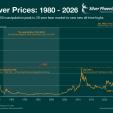
Silver’s breakout remains one of the defining moves of the year. The critical mineral broke to new highs after the Fed’s decision as the gold-to-silver ratio contracted sharply. Feneck said the market is finally correcting an imbalance that has persisted for years, repeating his longstanding view that “silver has to catch up to gold.” He added that industrial demand tied to AI infrastructure, data centers, and solar manufacturing is reinforcing long-term tightness.
Equities have followed the move, particularly on the silver side. When asked whether silver stocks are entering a stratospheric phase, Feneck responded, “They already have.” He pointed to developers and explorers that continue to trade below intrinsic value despite strong gains and said thin liquidity is amplifying upside moves as investors reposition ahead of 2026.
Feneck discussed the return of sustained investor attention to junior miners as one of the most notable shifts of 2025. Years of weak liquidity had sidelined generalist capital, but rising metal prices and growing supply concerns are reversing that dynamic. “There's going to be so many of these juniors that are going to make headlines in 2026 and 2027,” he said, adding that companies with scale, strong jurisdictions, or near-term production potential are positioned to benefit most.
Consolidation is accelerating across the sector, with Feneck noting the Dec. 8, 2025, merger between Contango ORE and Dolly Varden Silver, reflecting a broader move by developers to combine cash flow with district-scale exploration upside. He said producers are likely to pursue more M&A in 2026 as they look to secure future ounces and reduce permitting uncertainty.
Critical minerals continue to enter sharper focus, with Feneck highlighting tungsten’s strong performance this year, and said the market remains underappreciated by many investors. “Tungsten is used heavily in technology and in defense,” he said, noting that U.S. government support and supply chain realignment are increasing its strategic importance. He sees similar dynamics across antimony and other key minerals where domestic supply remains constrained.
In Colombia, AngloGold Ashanti’s Quebradona copper-gold project faced a major setback in October 2025 when the National Mining Agency denied requests to extend or suspend key elements of its mining title. Feneck said the decision reflects the difficulty of permitting large projects in complex jurisdictions and contrasted that with improving permitting momentum in the United States, where several gold developers advanced key approvals this year.
2026 will be shaped by easing U.S. monetary policy, expanding industrial demand for metals, tightening supply across several commodities, and renewed interest in junior miners, according to Feneck. While volatility remains elevated, he sees growing opportunity for companies positioned early in the next phase of the cycle.
KitcoNews